

HERPETILE
The Natural Home of Reptiles and Amphibians




Issue 1


HERPETILE is an interactive platform for all things reptile and amphibian in the global sphere. Shedding new perspectives of love for these animals. Taming our initial apprehension for these misunderstood creatures and their prey. Providing good husbandry, they deserve. All backed up by croaking calls to the experts, to get their vital insight, our experience of animal care and our extensive research into each subject area.
Let's move through the thickets together and conduct a healthy communicative relationship to aid herpetile welfare and conservation!




Hello and Welcome
It has been a whirlwind of a year already, with many learning curves, changes and meetings taking place in the reptile and amphibian sphere.
I am new-ish to the herpetile husbandry world, only becoming a member of the British Herpetological Society, and Amphibian and Reptile Conservation UK, late last year.
My first-ever herpetile-husbandry encounter was through an Asian Water Dragon when i was around 8 years old (I'm 35 now).
Since then i've reintroduced myself to the herpetile husbandry from 2025 onwards but have been taking care of animals since COVID-19-times.
I strive to bring the best animal welfare and research-driven writing to represent our scute-formed-friends well.
Whether you are new to herpetile (reptile and amphibians) husbandry or a seasoned pro, we hope you find something useful from this flourishing publication.
Here’s to the first issue of HERPETILE, produced by Journalistic Echo News. We hope you feel at home and enjoy learning more about these misunderstood creatures and their prey.
Thank you very much for reading and see you in the next outing.
Yours Sincerely,
Scott Lockhart


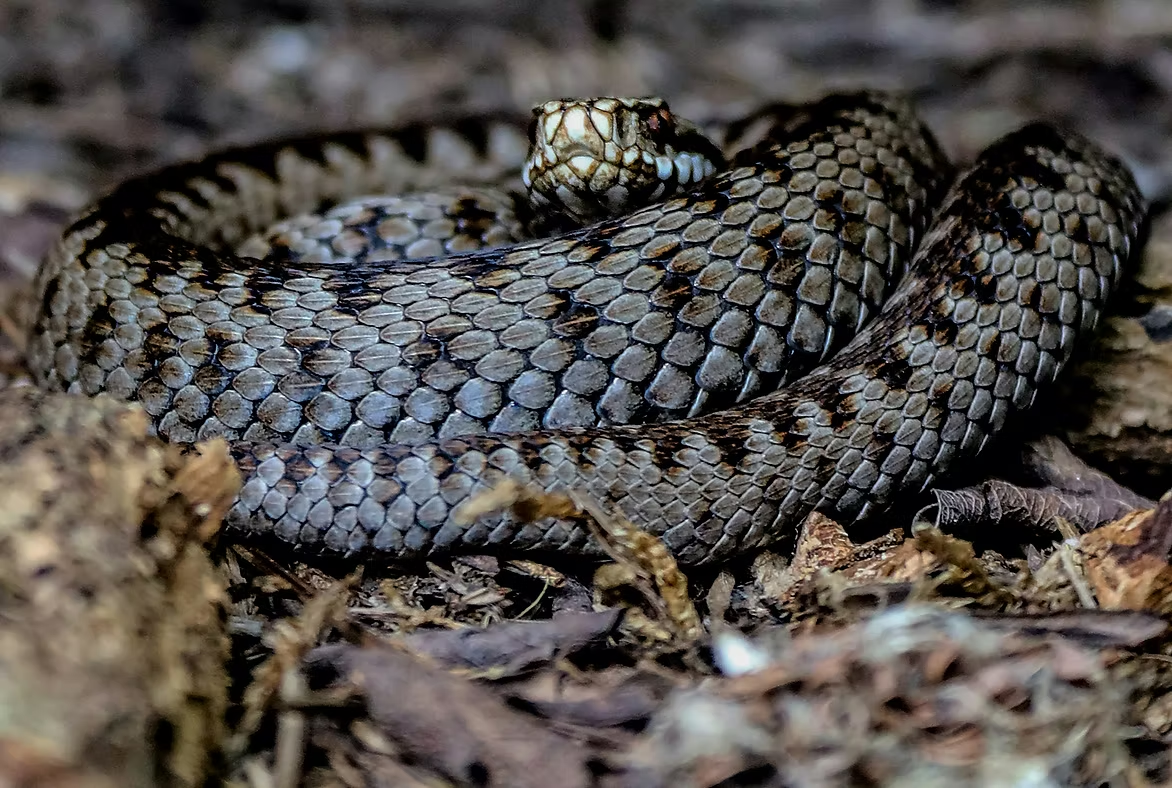
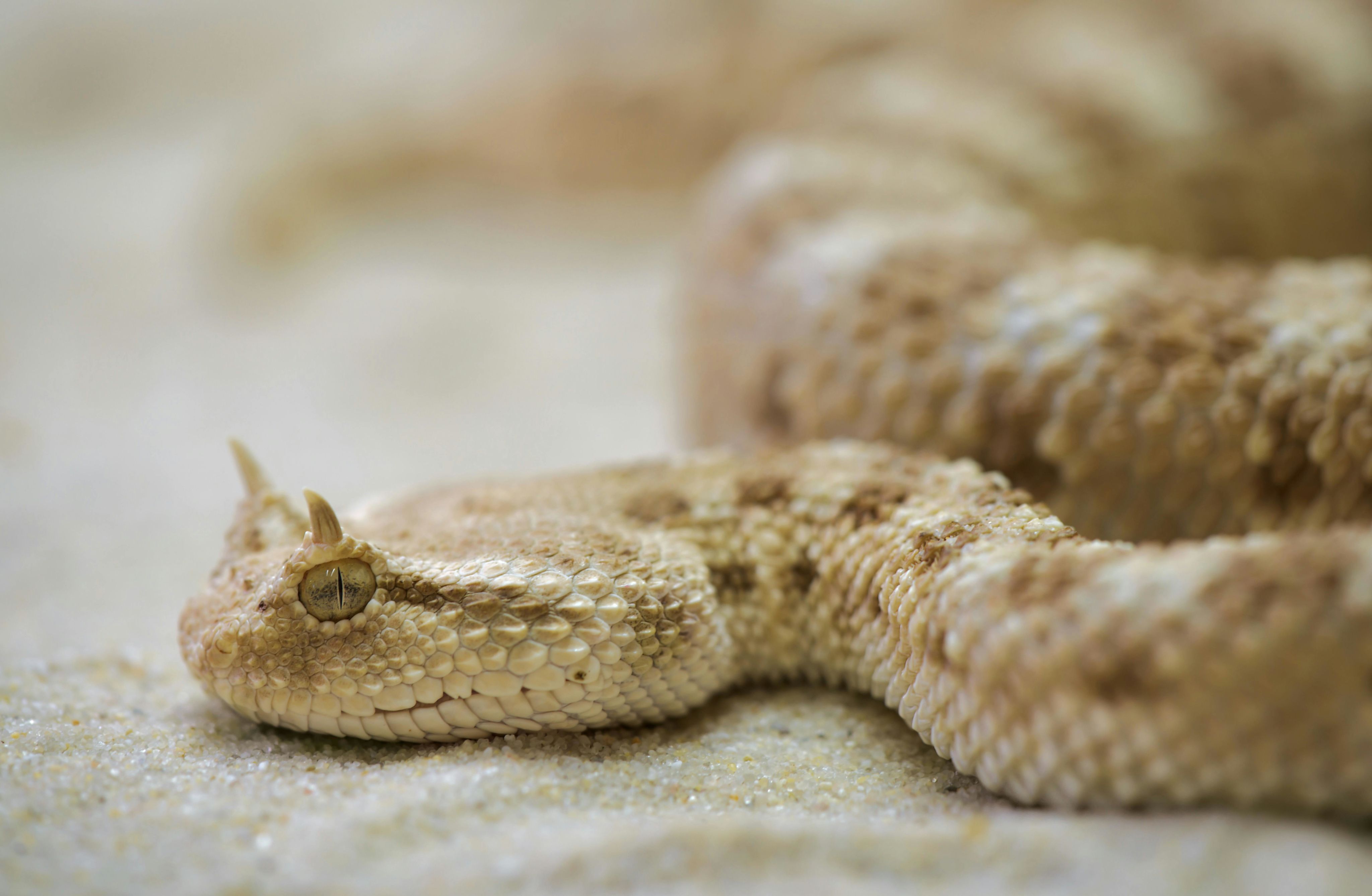
Identify The Species
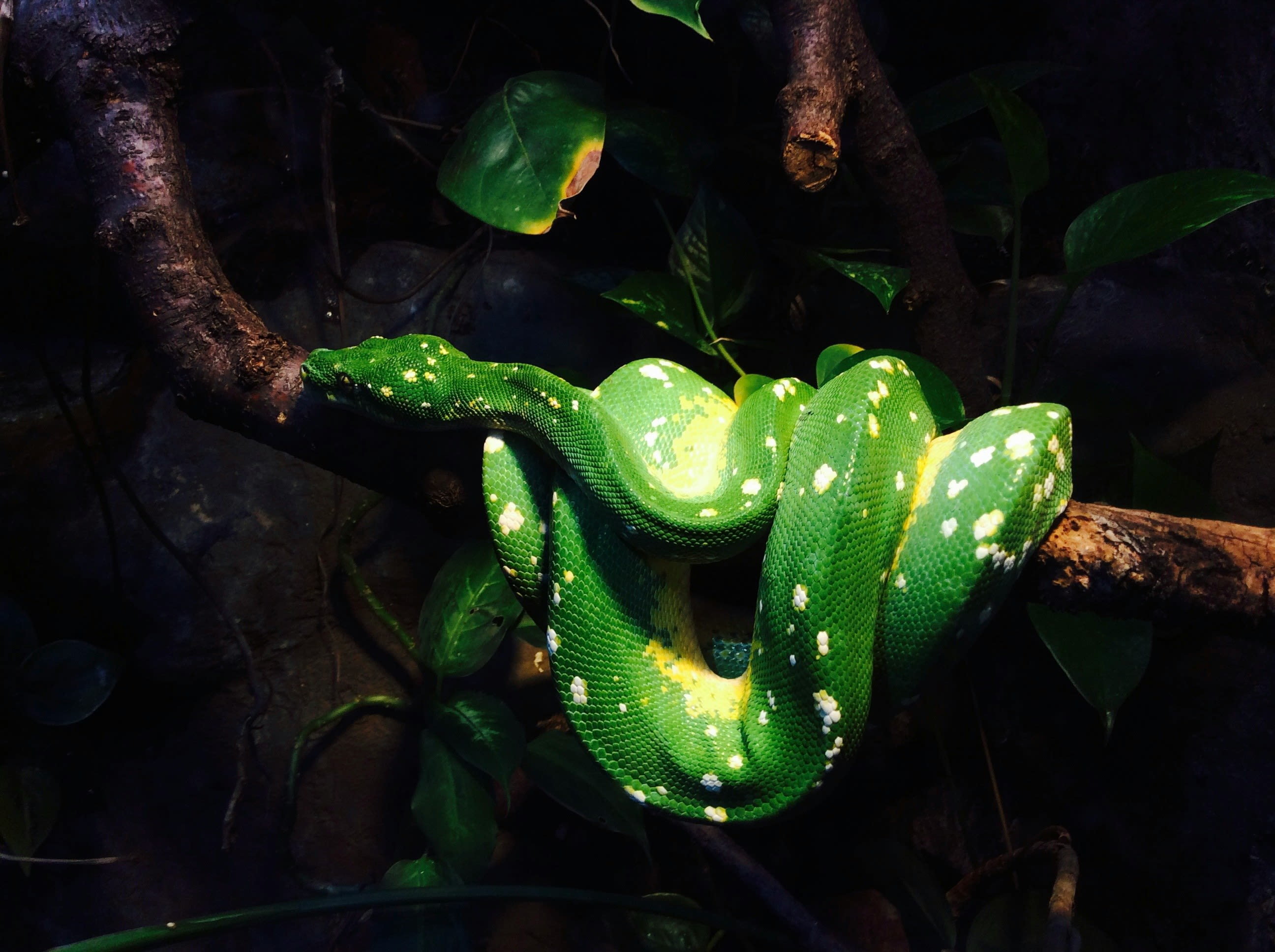
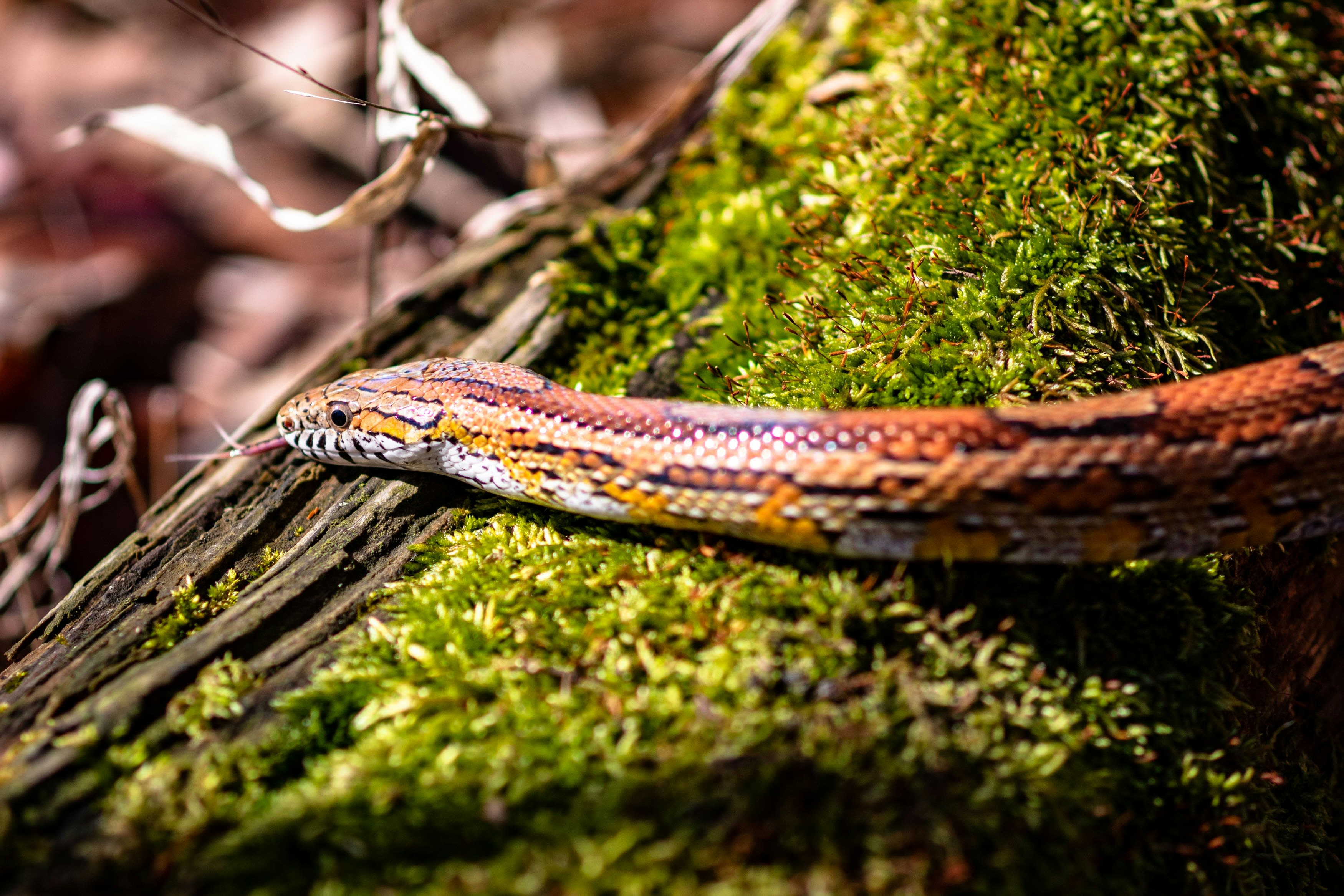
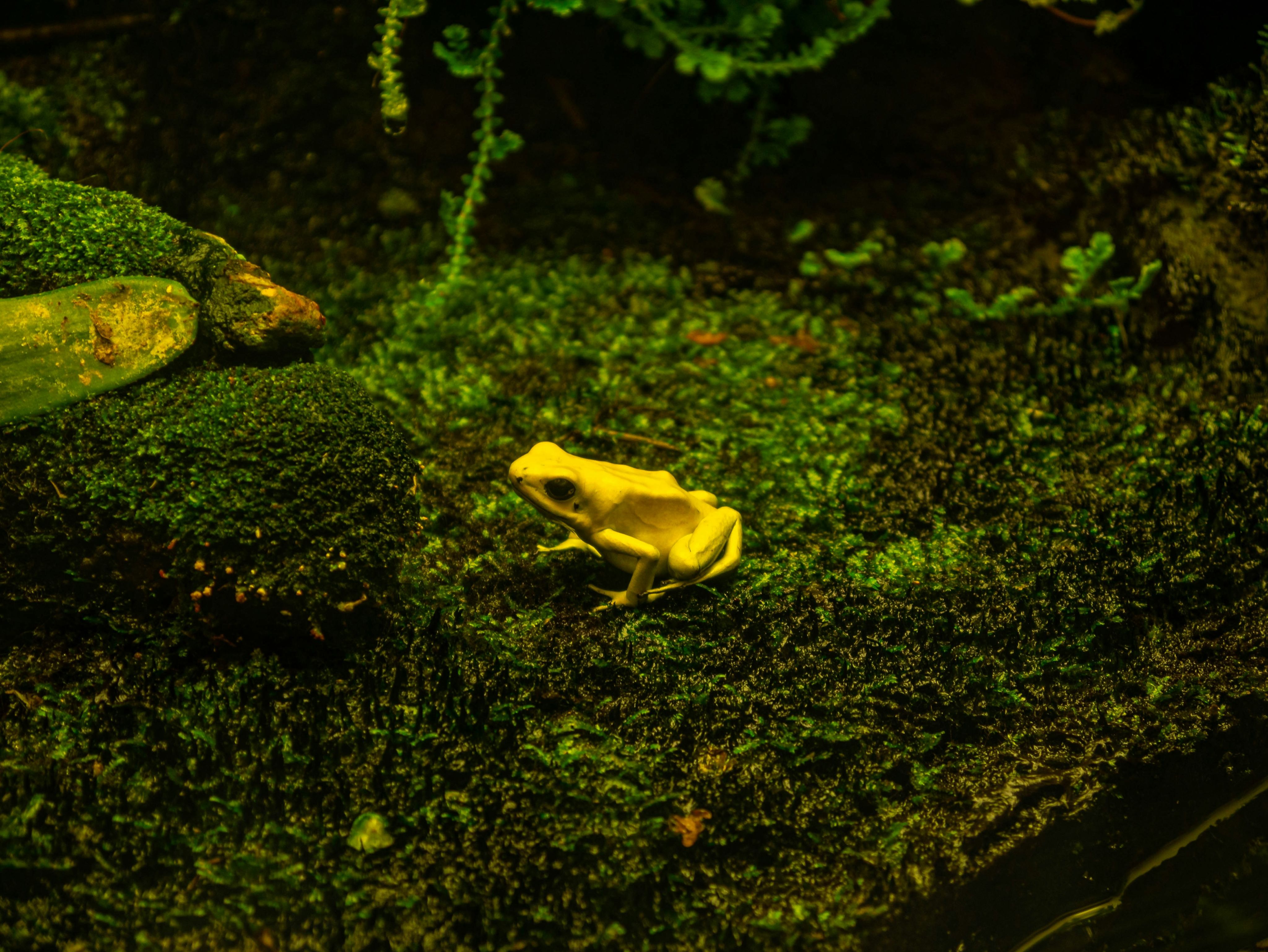
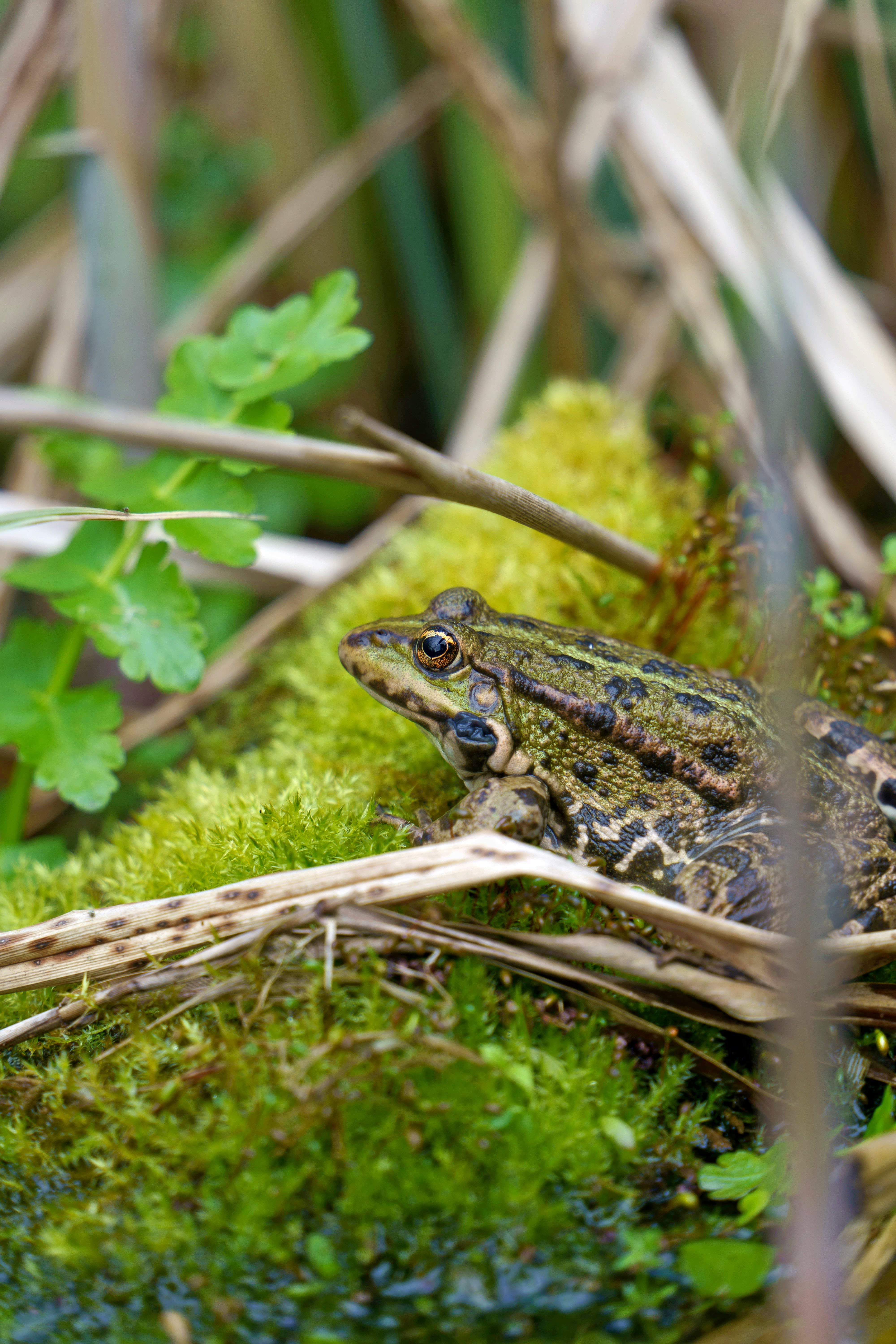
Three herpetiles are ready to be identified. Can you name them all? Click on the blue links below for the answer!
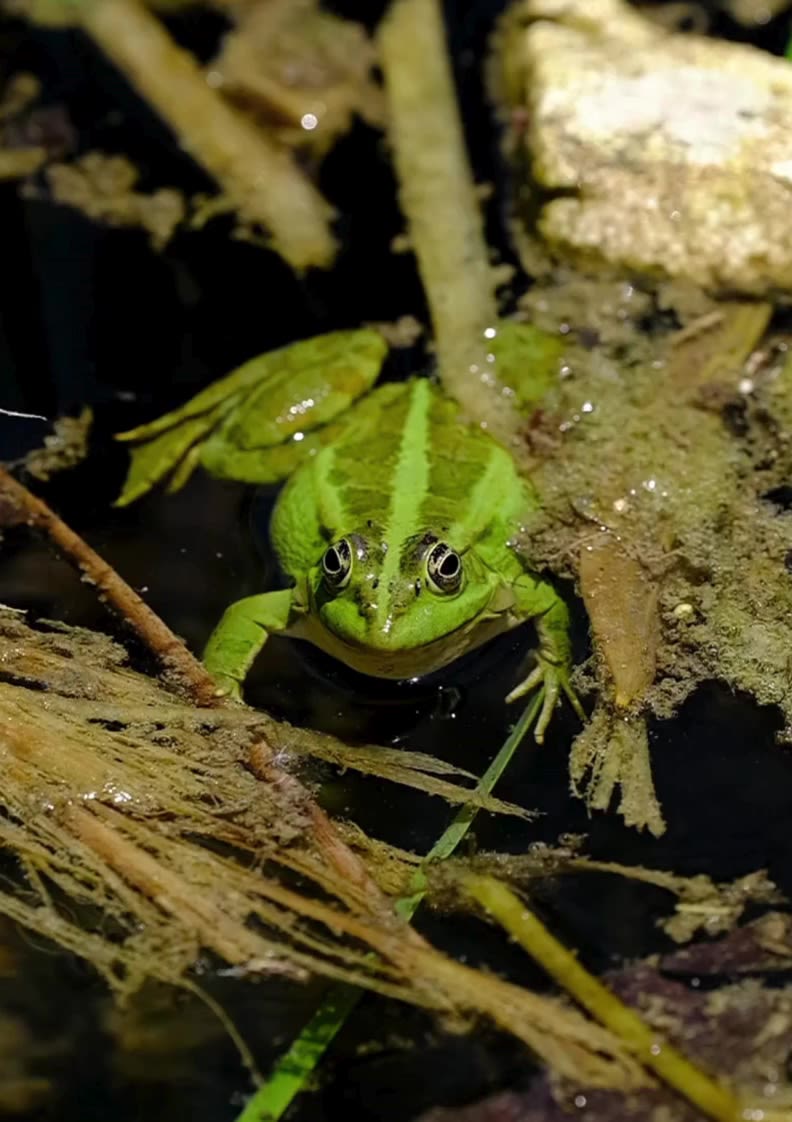
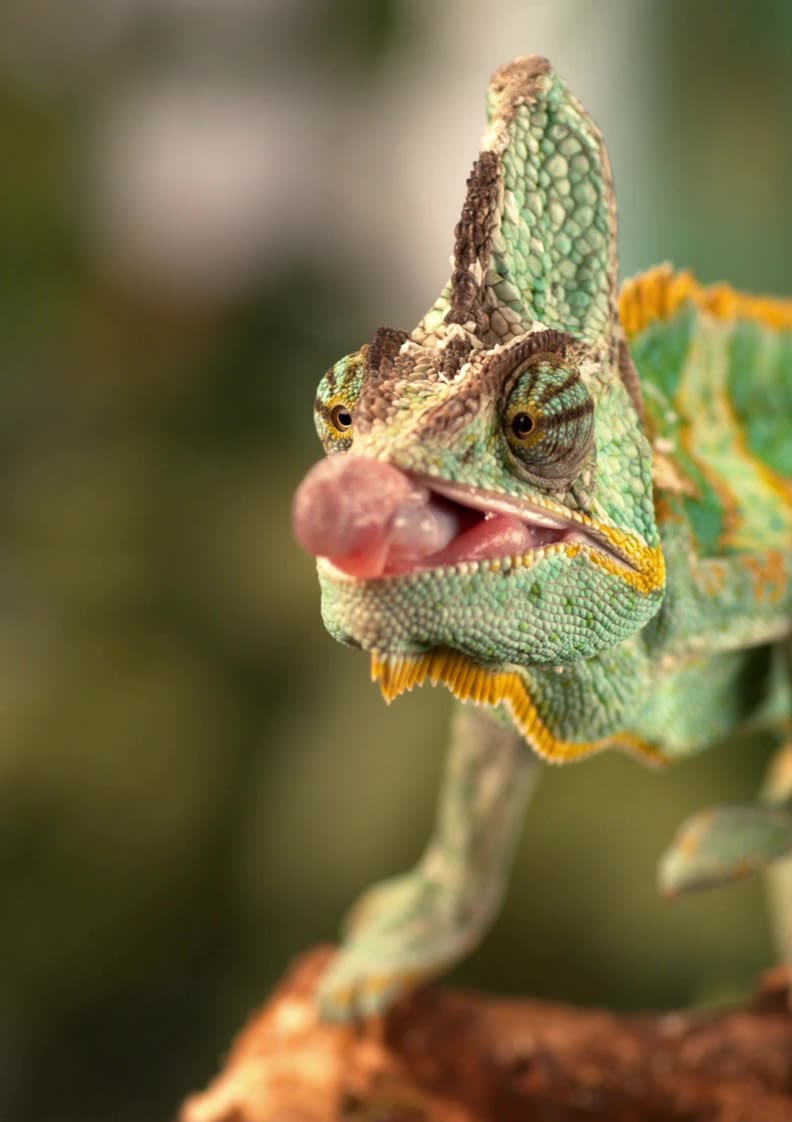
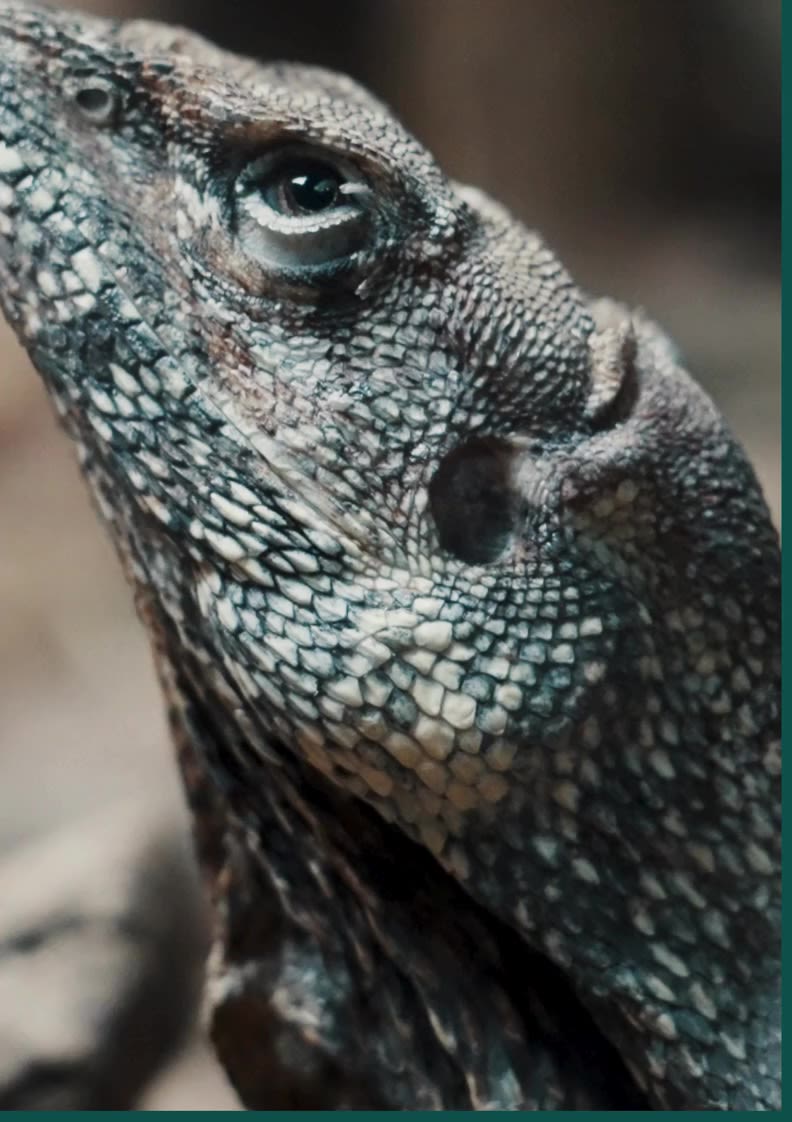

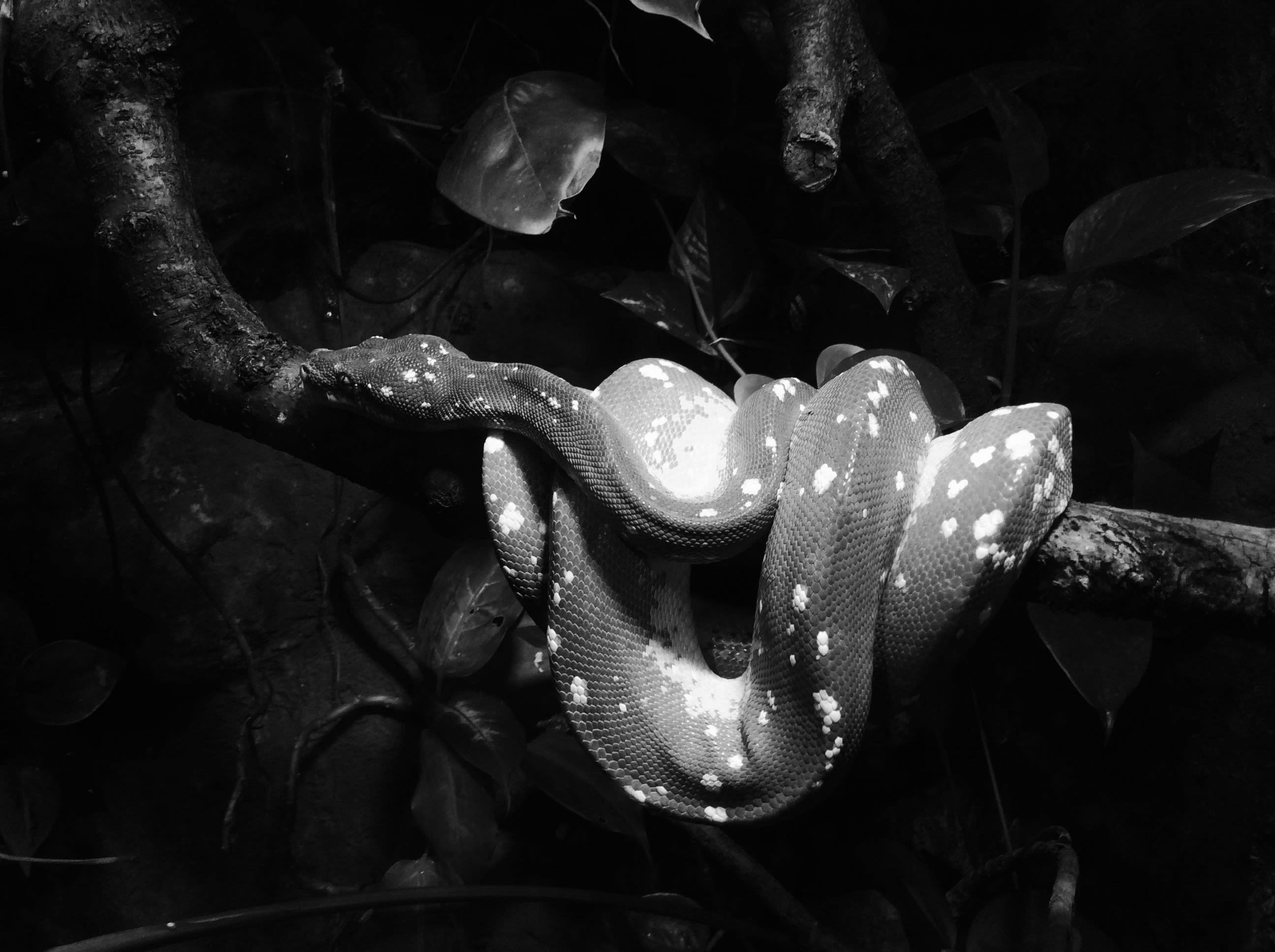

Conservation Article
What is Being Done to Protect Herptiles in Scotland?

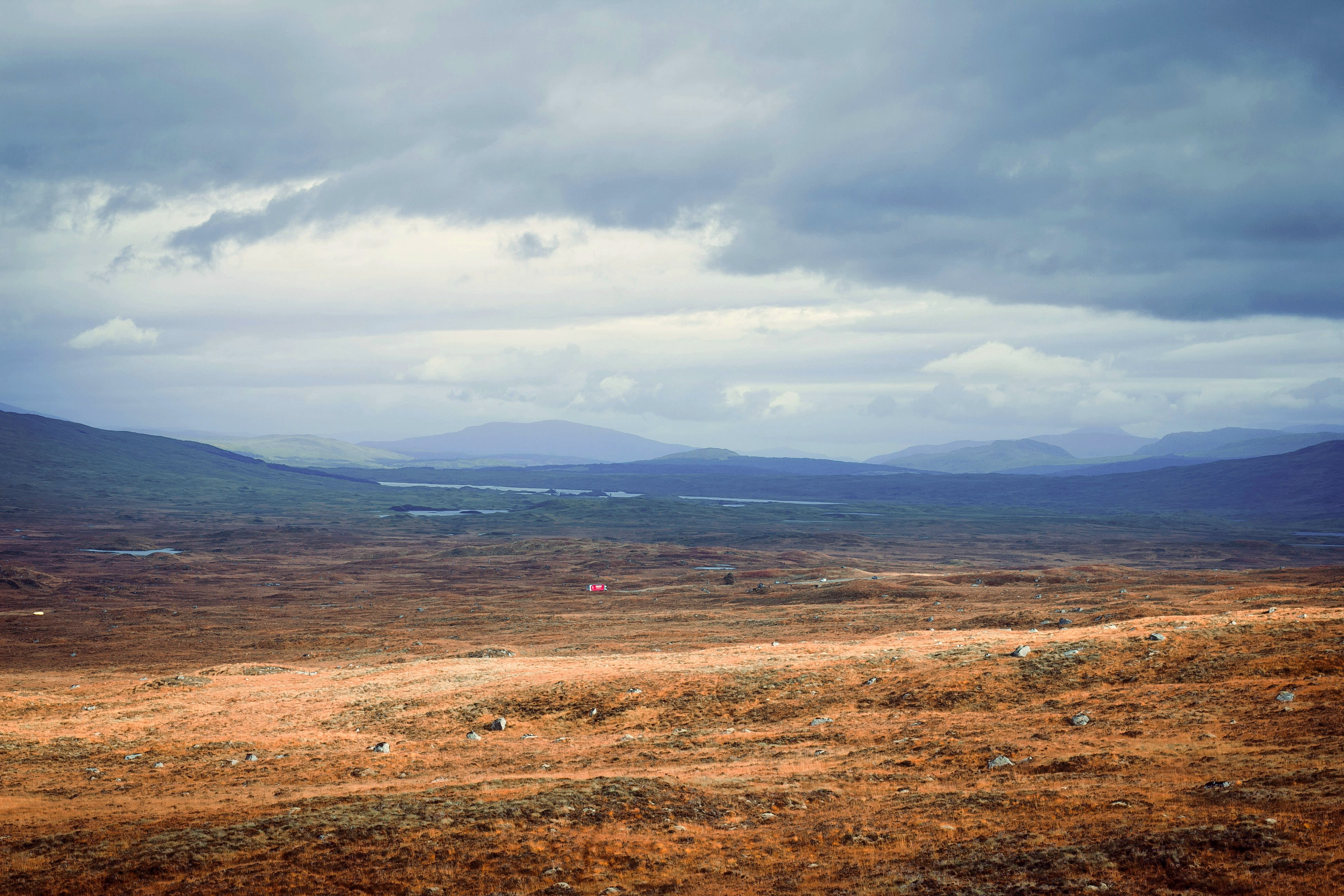
The time is now - conserve and protect endemic Scottish herptile species as more and more disappear every year.
Saving Scotland's Amphibians and Reptiles (SSAAR) project are trying to do just that, since 2021. They are an extension of the trust - Amphibians and Reptiles Conservation (ARC).
The SSAAR project has four overall aims:
- To encourage a greater understanding of our amphibian and reptile populations, by training and supporting citizen scientists across Scotland!
- To raise public awareness of the conservation needs of Scotland’s amphibians and reptiles and their habitats, and help to promote better understanding that safeguards their future.
- To promote community relationships, personal wellbeing and life opportunities by providing chances for people to engage as project volunteers, allowing them to gain new skills and knowledge.
- To work with land managers, partners and other stakeholders to protect, restore or create habitat features to allow our amphibians and reptiles to thrive in Scotland.
What's the Damage?
Each of the 10 Herptiles, native to Scotland, live in an unforgiving climate. This should be enough of a burden to bear.
However, there are a number of different reasons, why lower populations are being found in our ponds and heathlands.

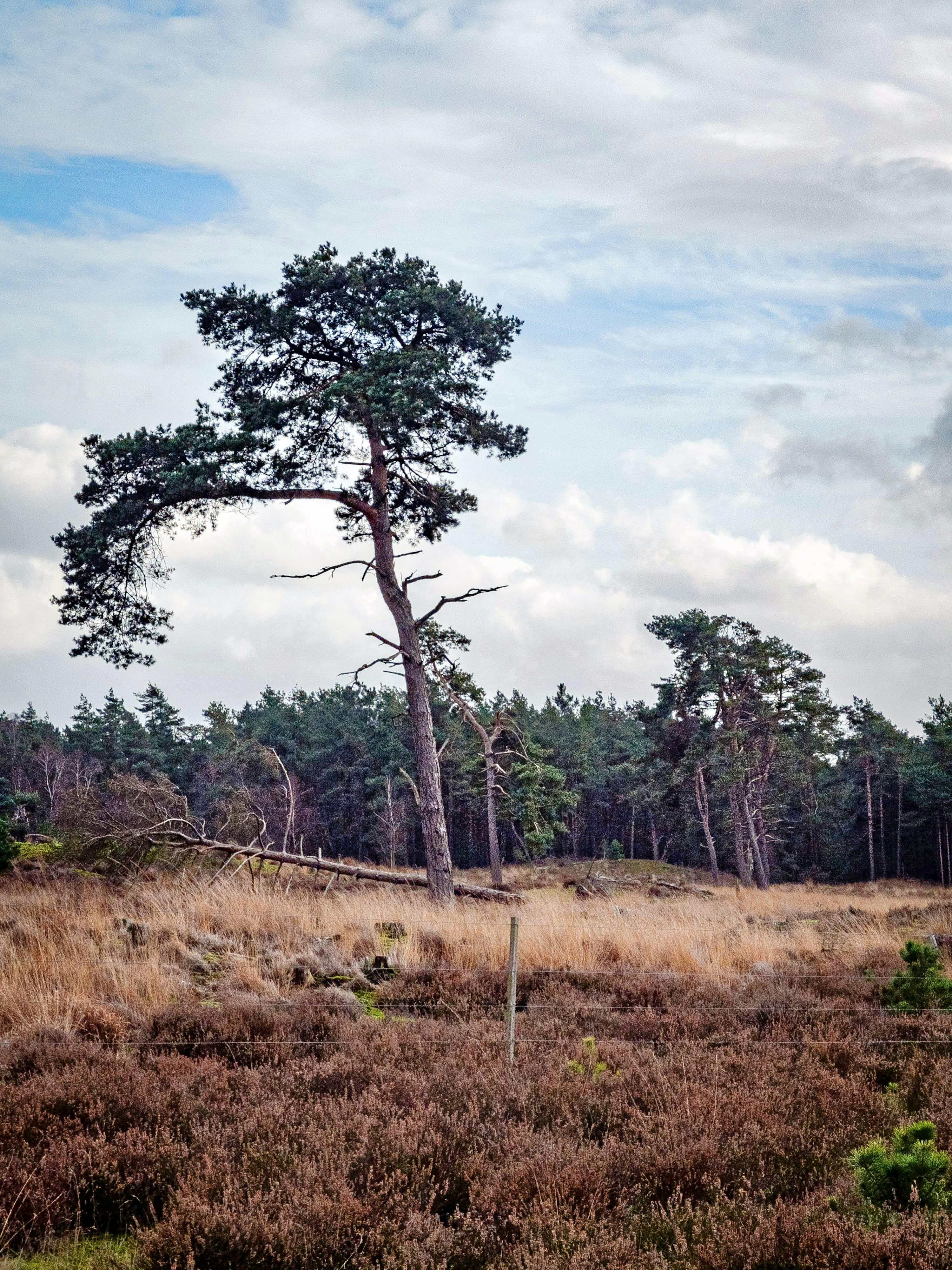
Forest and heathland during day
Forest and heathland during day
Amphibian and Reptile Conservation (ARC) state on their website that:
‘These resilient creatures are under threat from habitat loss and degradation, pollution, the spread of disease and the impacts of climate change.’
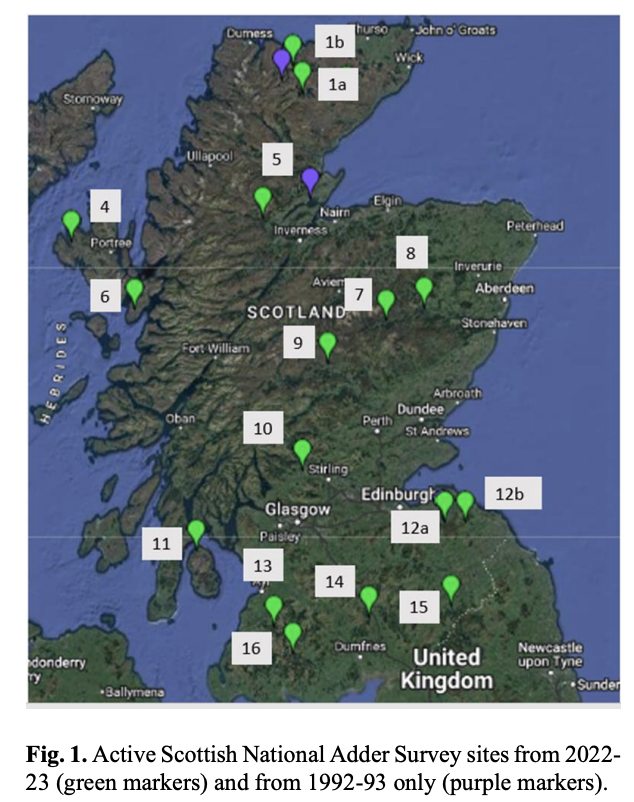
Namely, the adder, the common lizard and the slow-worm have decreased more than double in distribution numbers at some sites around Scotland between 1992-2024.

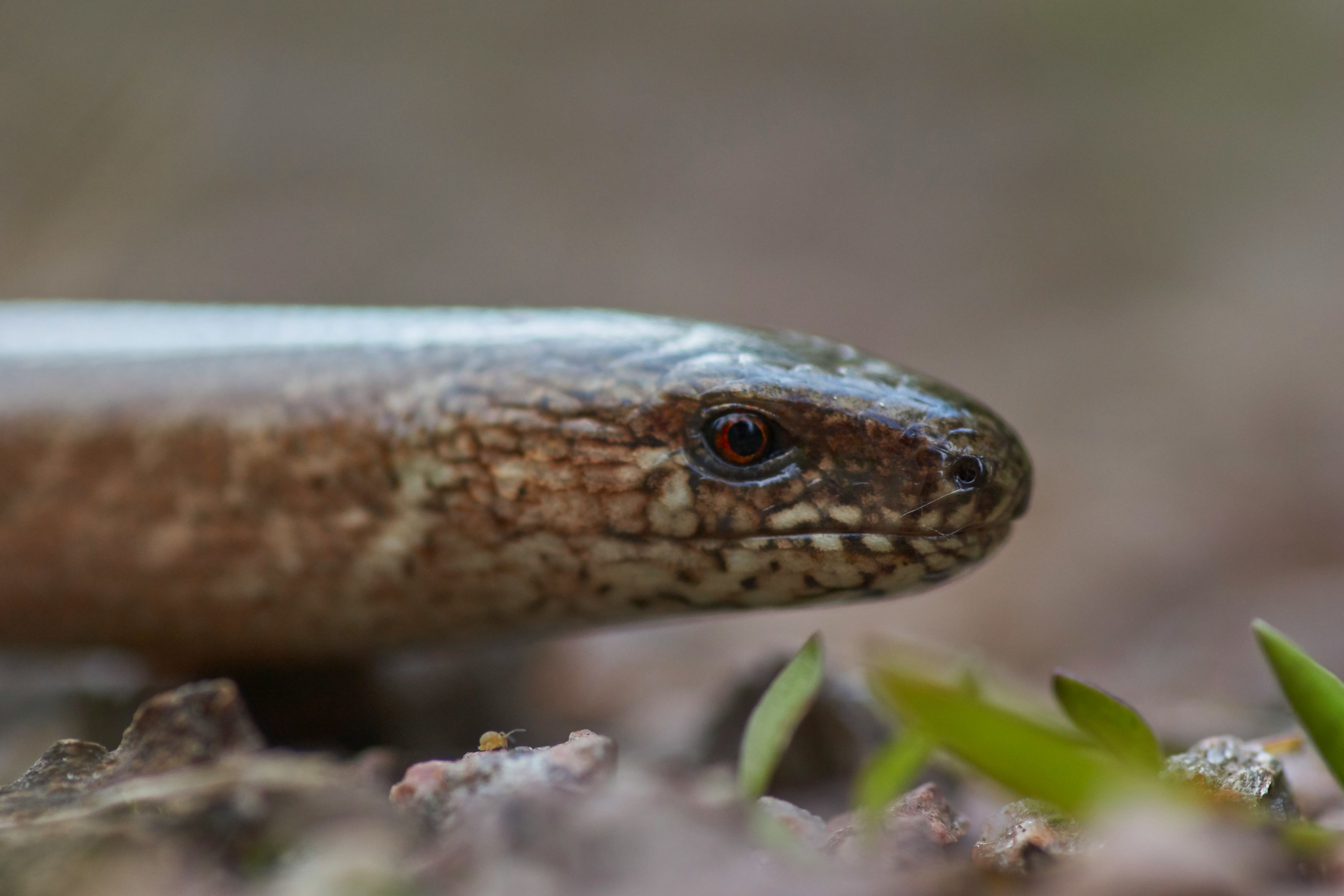
Slow Worm anguis fragilis
Slow Worm anguis fragilis
A study in 2024 by the Glasgow Naturalist showed that:
‘In addition, despite some changes in attitudes by humans, adders are still sometimes deliberately killed, even though this is illegal, further diminishing already small and fragmented populations.
Adders also appear to be sensitive to repeated disturbance by recreational site users and photographers (Baker et al., 2004).’
Not All Doom and Gloom
On a positive note, the study also found that:
‘Adders were observed at comparable or even greater numbers at eight sites (seven of the original sites surveyed in 1992-93).’
However,
’The apparent loss of adders at three of the original sites, and the major declines observed at Site 15 in the Scottish Borders should be a cause for concern.’

How Can You Help?
We can all contribute to the cause, as a community, by taking measures from our own homes.
Fresh compost heaps and rockeries make for prime herptile habitat.
Volunteering is also an option and there are opportunities to do so through ARC.
Participating in workshops across the country, such as Angus Herpetofauna's amphibian ID and conservation or MYM's (Make Your Mark) talk about ARC's work in Scotland, are also available online.

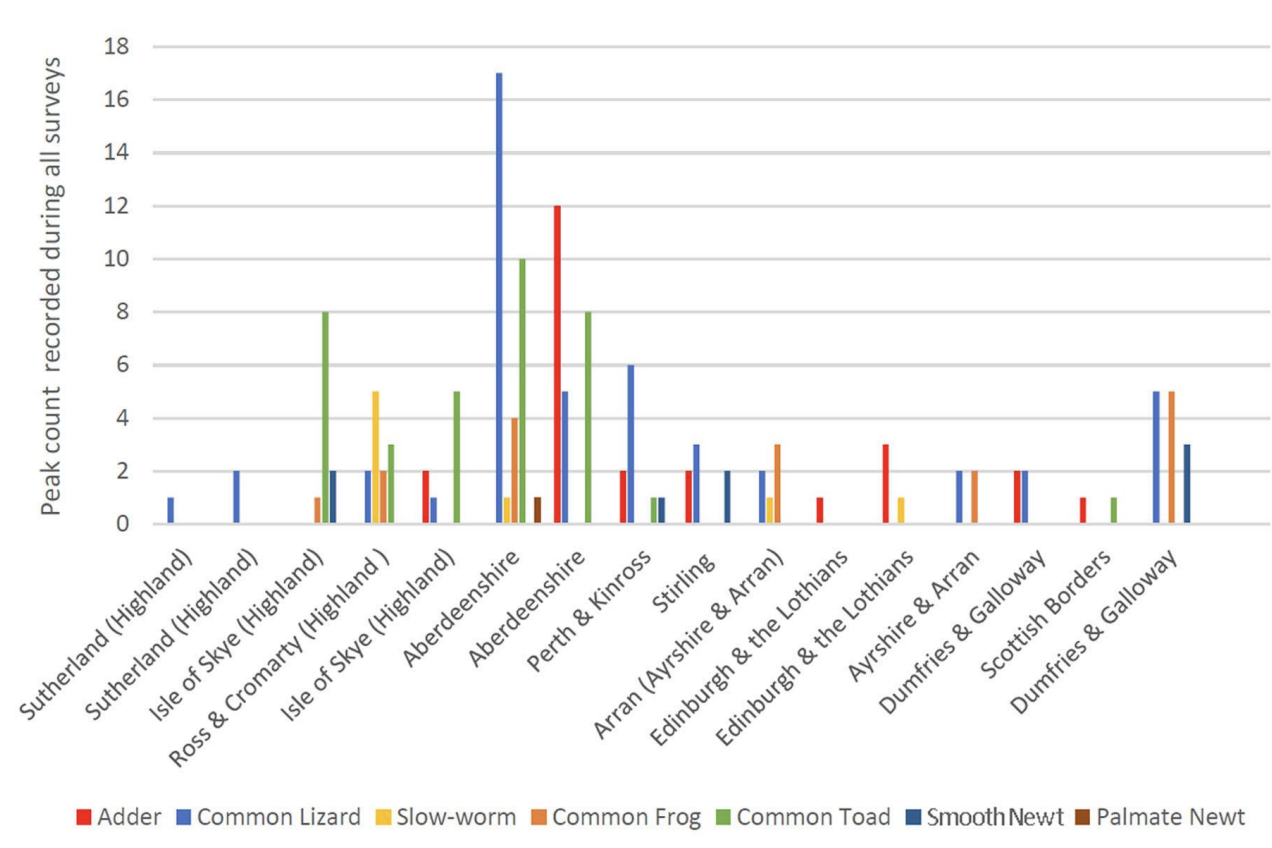
Peak counts for all amphibian and reptile species at the 16 Scottish National Adder survey sites during 2022-24
Peak counts for all amphibian and reptile species at the 16 Scottish National Adder survey sites during 2022-24
Bibliography
- Baker, J., Suckling, J. & Carey, R. (2004). Status of the adder Vipera berus and slow-worm Anguis fragilis in England. English Nature Research Report 546. English Nature, Peterborough
- Julian, A.M., Langham, S.J., R. Cooper-Bohannon, Raynor, R., Whatley, C., Foster, J. and McKinnell, J. (2024). An overview of the Scottish National Adder Survey 2022-24. 28(2). https://www.glasgownaturalhistory.org.uk/gn28_2/Julian_etal_Adder_Survey_2022-24.pdf.



Micro-Habitat Series:
Mixed-Up In Moss
By Scott Lockhart

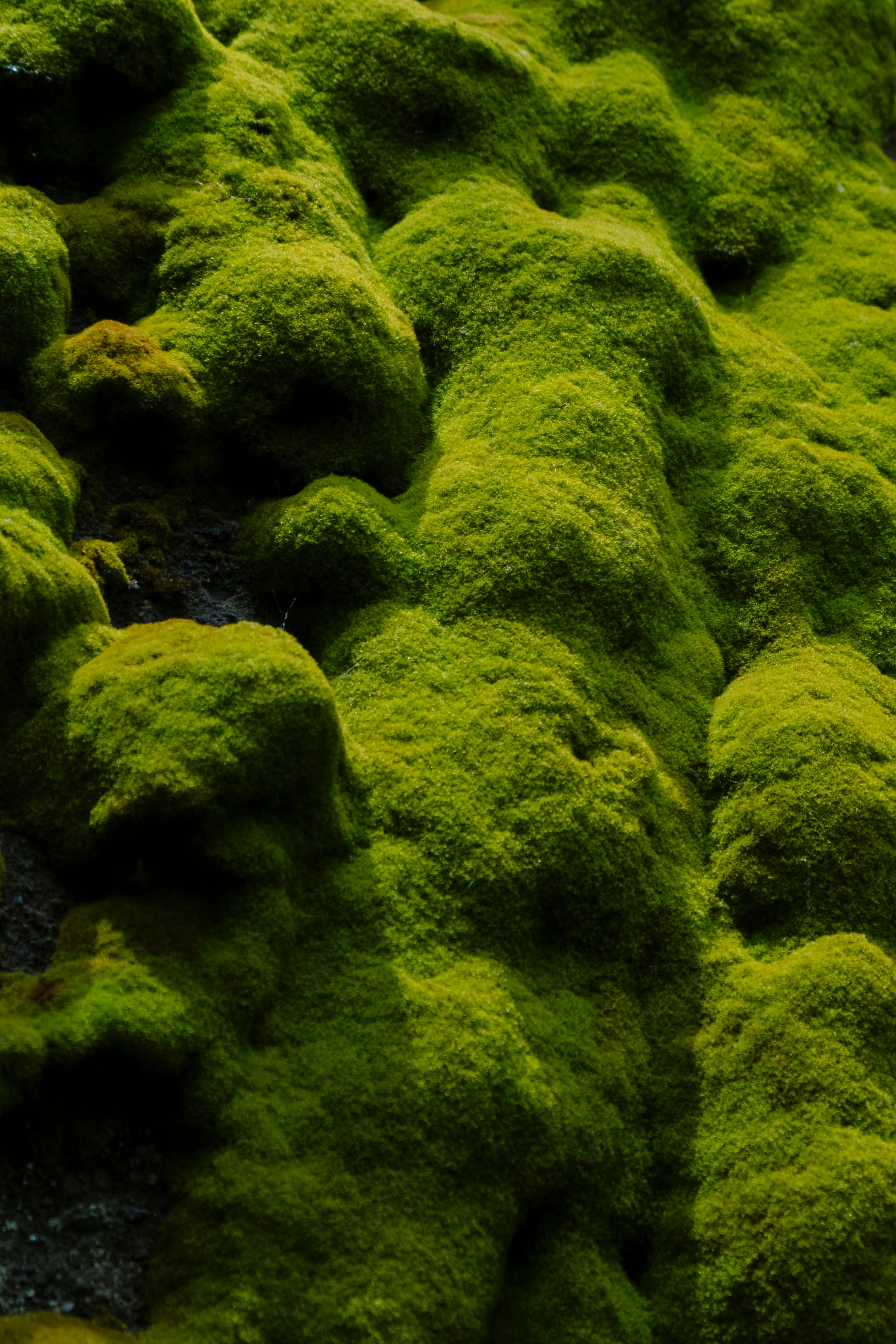

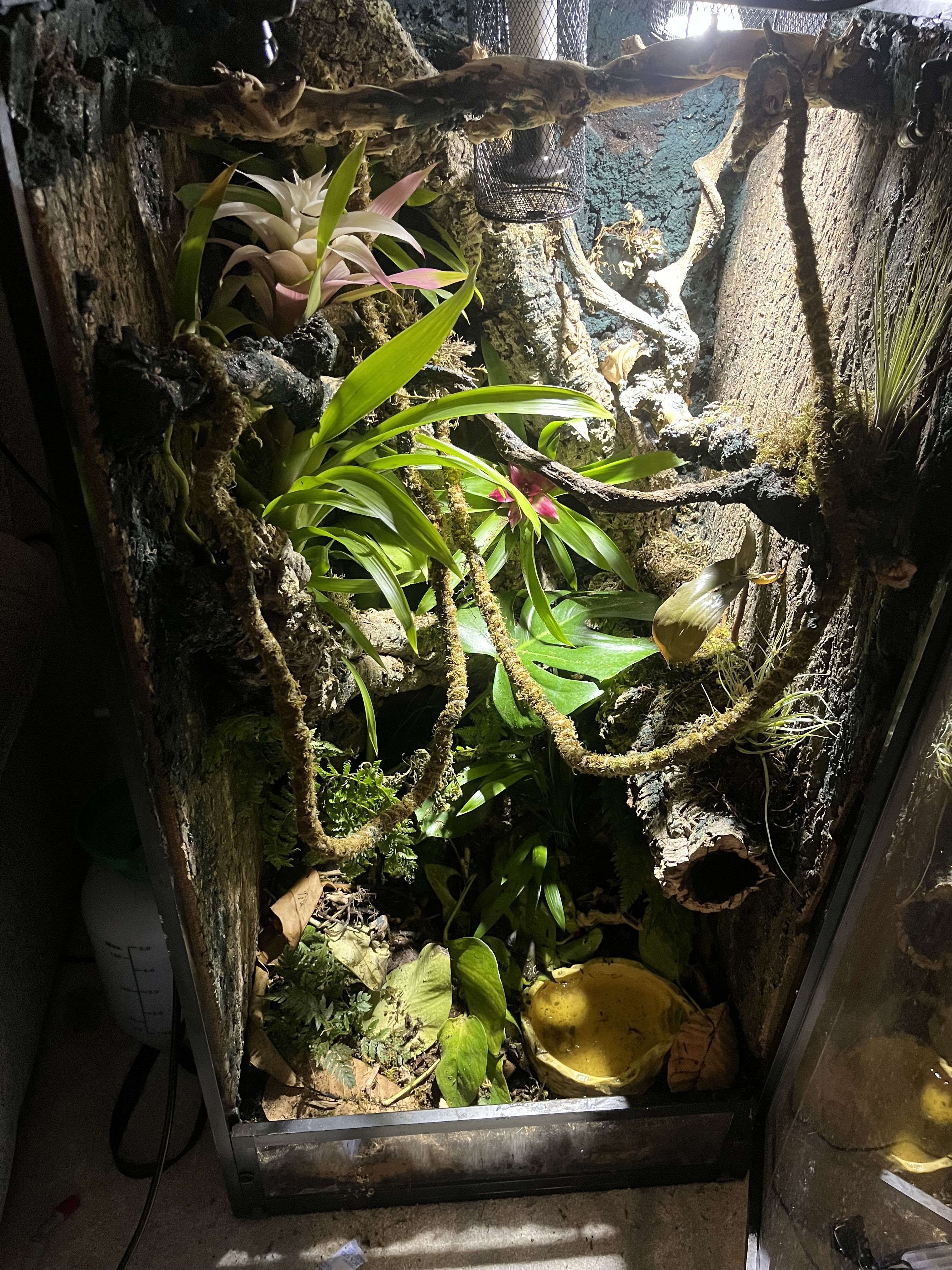
Bioactive-style landscapes for your herptile (reptile and amphibian) is the natural way forward in husbandry.
We should strive to provide the best environment, especially in this current age where materials are readily available.
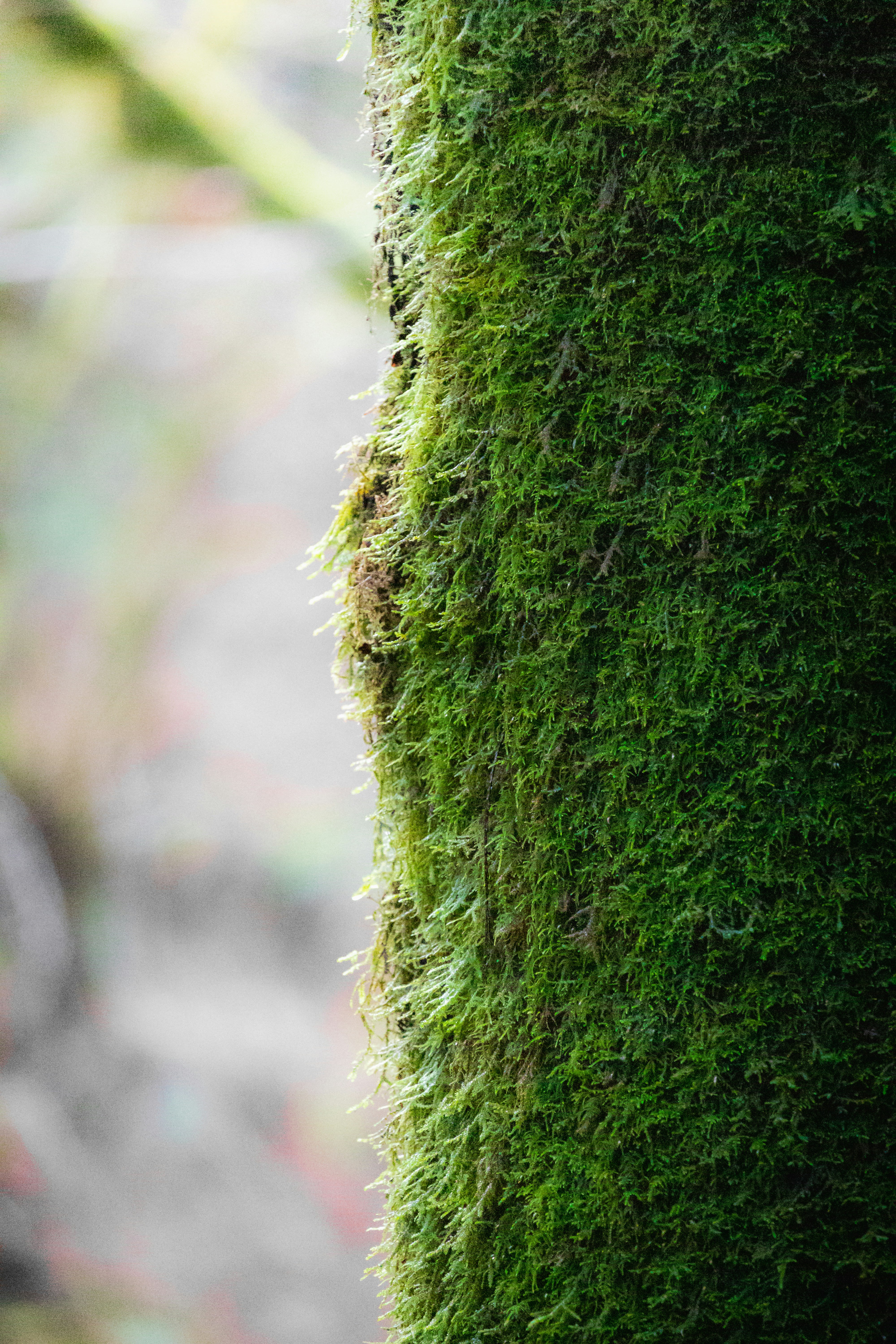
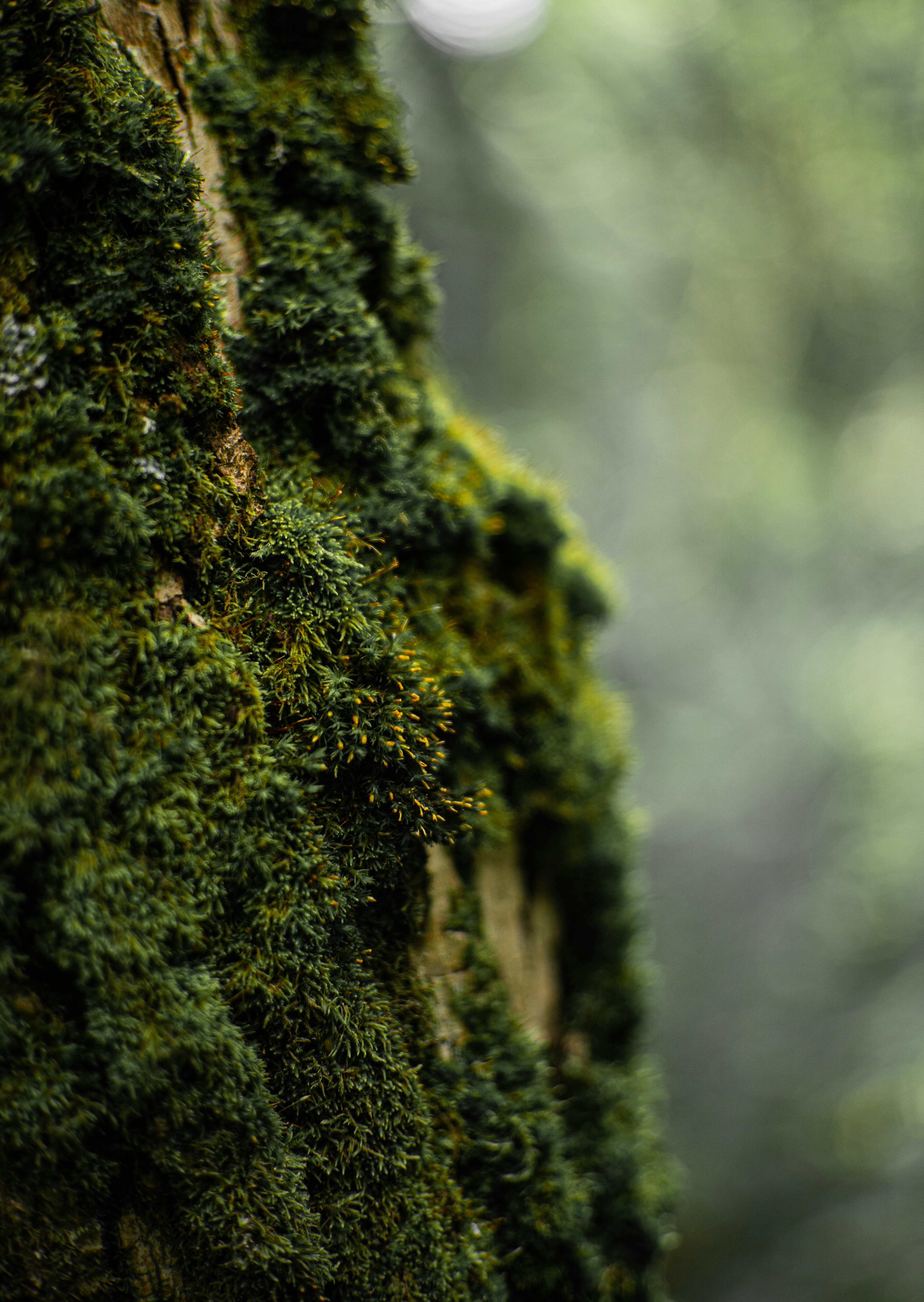
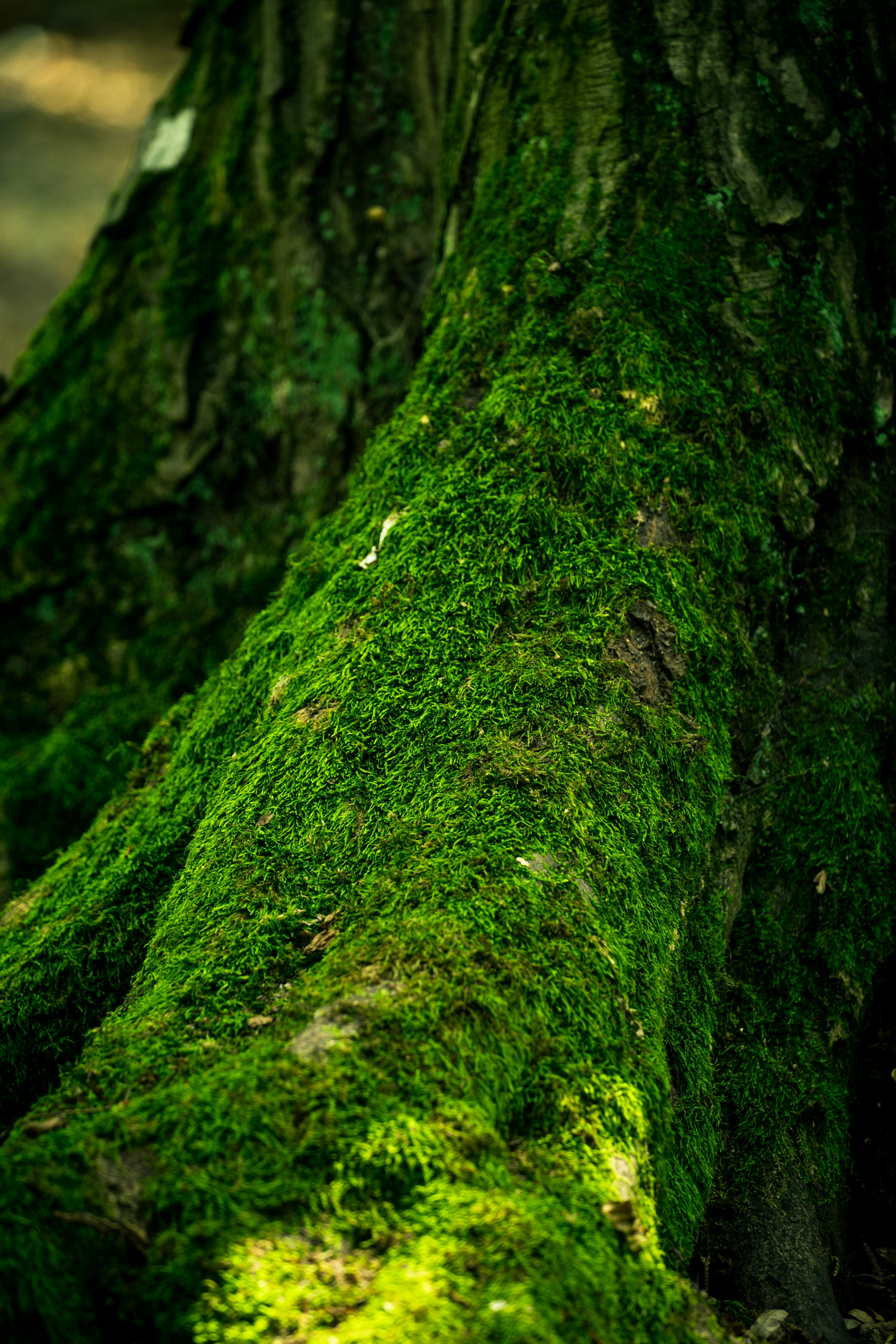
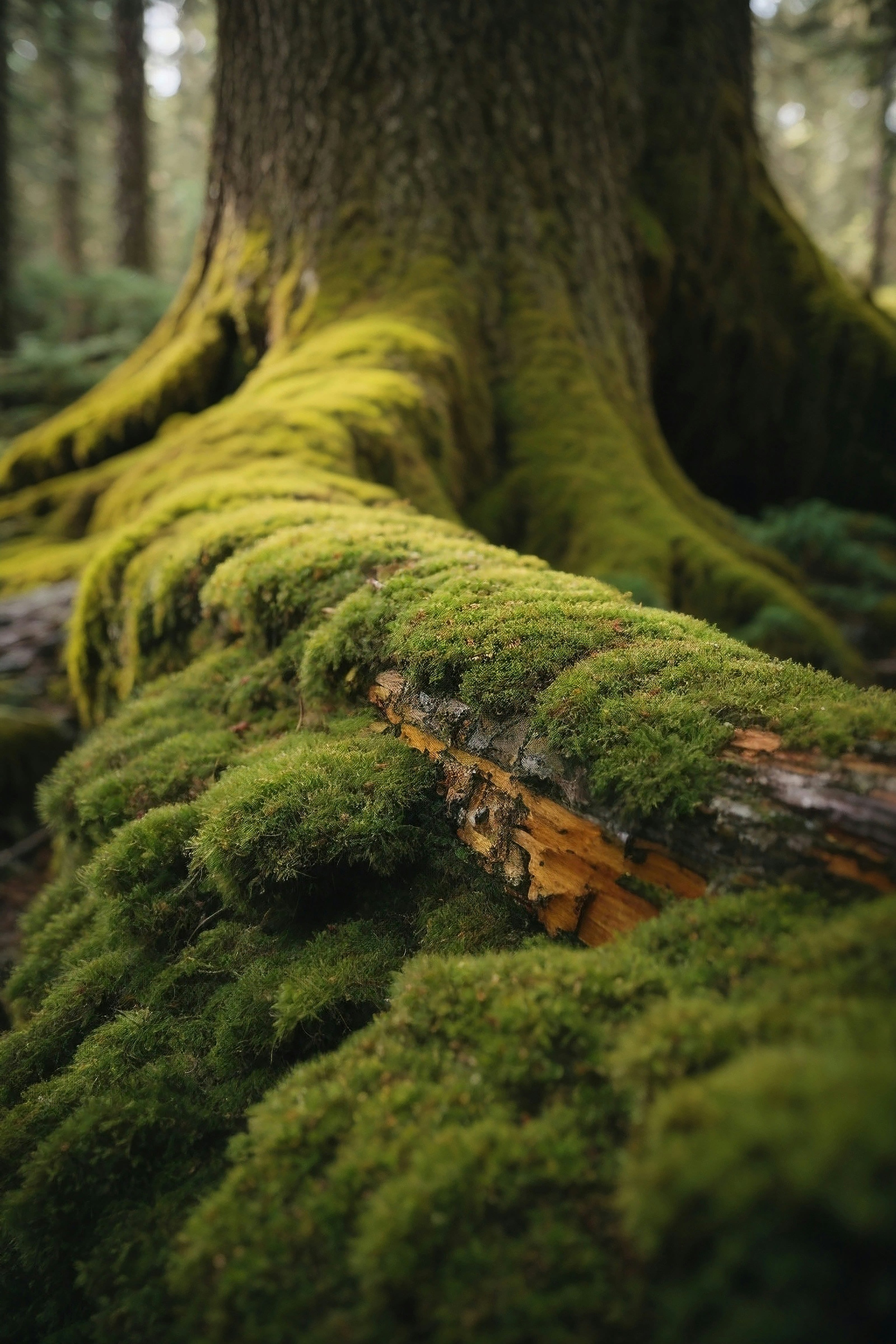
Moss is a small, key ingredient to the overall recipe of making a successful, aesthetically pleasing habitat.
It also allows a side-winding creature to mimic natural behaviours in the wild.
This essential organism is a non-flowering, no roots, or vein system, plant. They are part of a special group of land plants called Bryophytes.
There are various types of moss to utilise: Sphagnum Moss, Sheet moss, Haircap Moss, Cushion Moss and Rockcap Moss.
Various applications of moss can be made to the soil, bark or stone within your vivarium. Simply tie it onto a branch or glue it to a rock.
Water and nutrients are absorbed by their surface, making them ideal tools for boosting humidity levels.
Equally, they provide good hiding places, nesting and meals for invertebrates.
Miriam E. Hilt, George C. Brooks, M. Kevin Hamed, and Emory L. Faison conducted research to study:
“Results show that growing moss in greenhouses for use in constructed wetlands is achievable when proper soil moisture is maintained.”

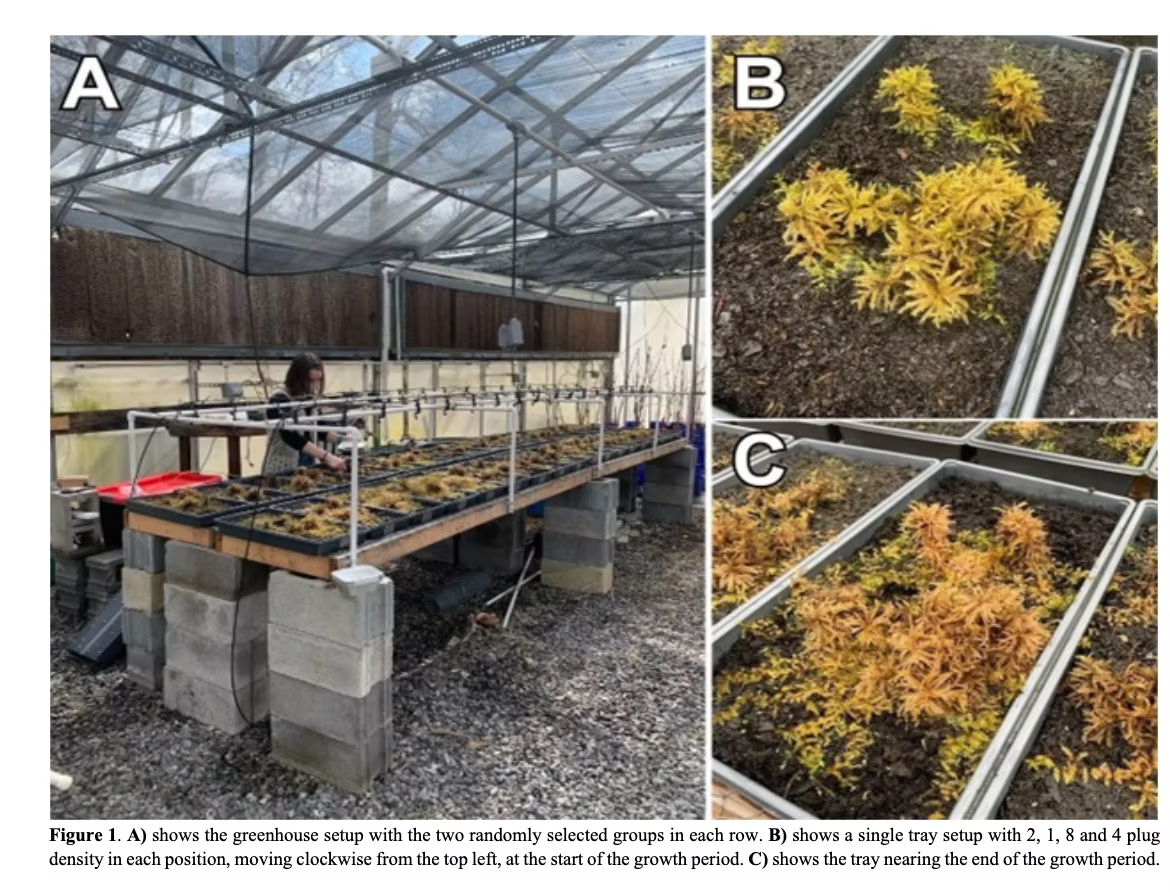
Ultimately, this work aids restoration efforts for H. scutatumby providing a simple methodology to produce high volumes of nesting habitat and promote population recover”.
Even in desert habitats, they are useful. A humid hide filled with sphagnum moss is the common antidote for an itchy leopard gecko.
Any sort of enclosed container, with a hole cut for entry/exit, would do the trick.
Just remember to spray it with water a few times a day.
Said moss is readily available in garden centres or pet shops in the UK.
We can grow our own flora to cut down on costs and start a colony for any number of projects.
Since moss doesn't produce seeds, spores are available to buy.
Sourcing these in the wild may be unethical. if not following the correct procedure, to allow replenishment.
Also, they may not be available if you live in a cold climate.

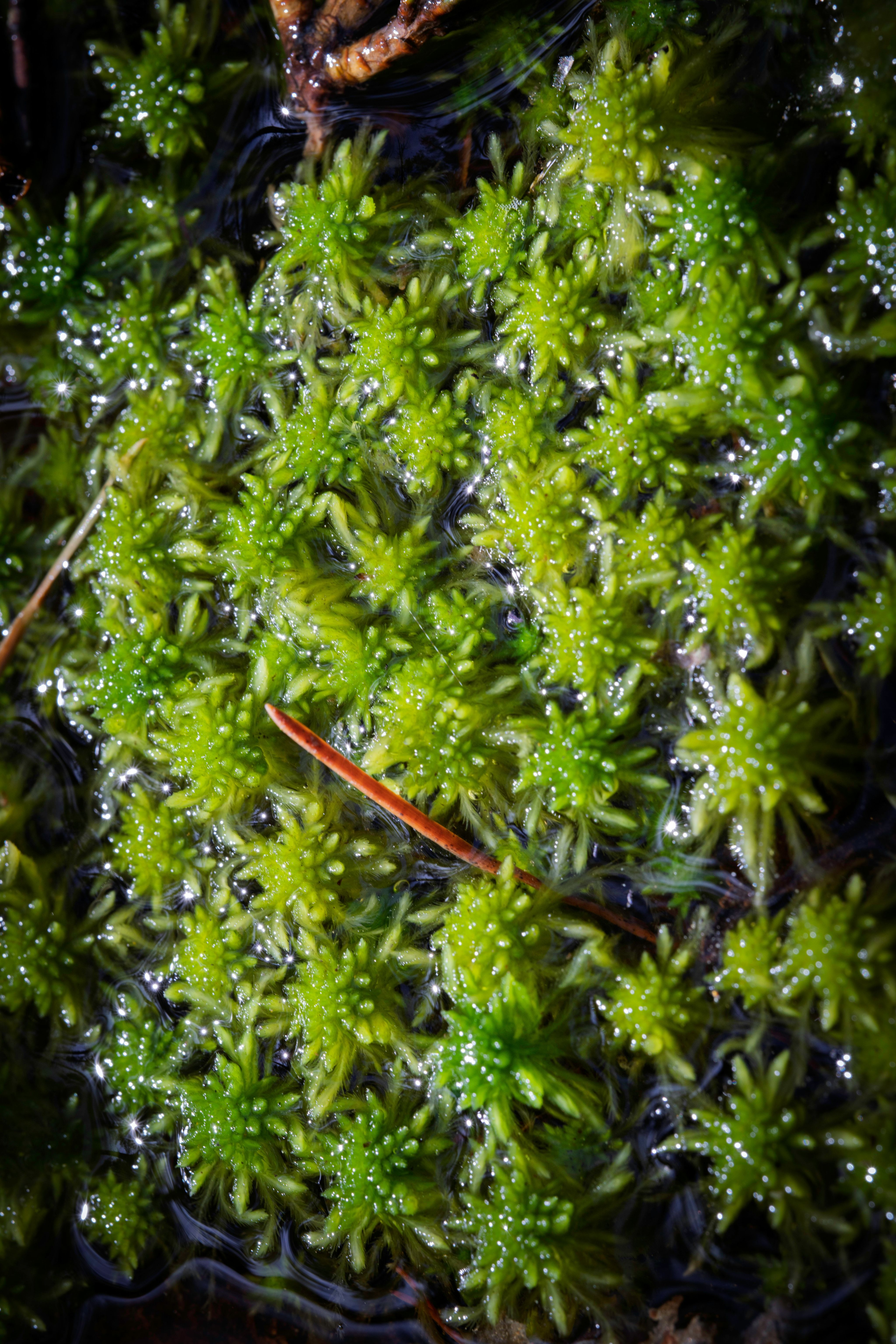
Close-up of vibrant green sphagnum moss in water.
Close-up of vibrant green sphagnum moss in water.

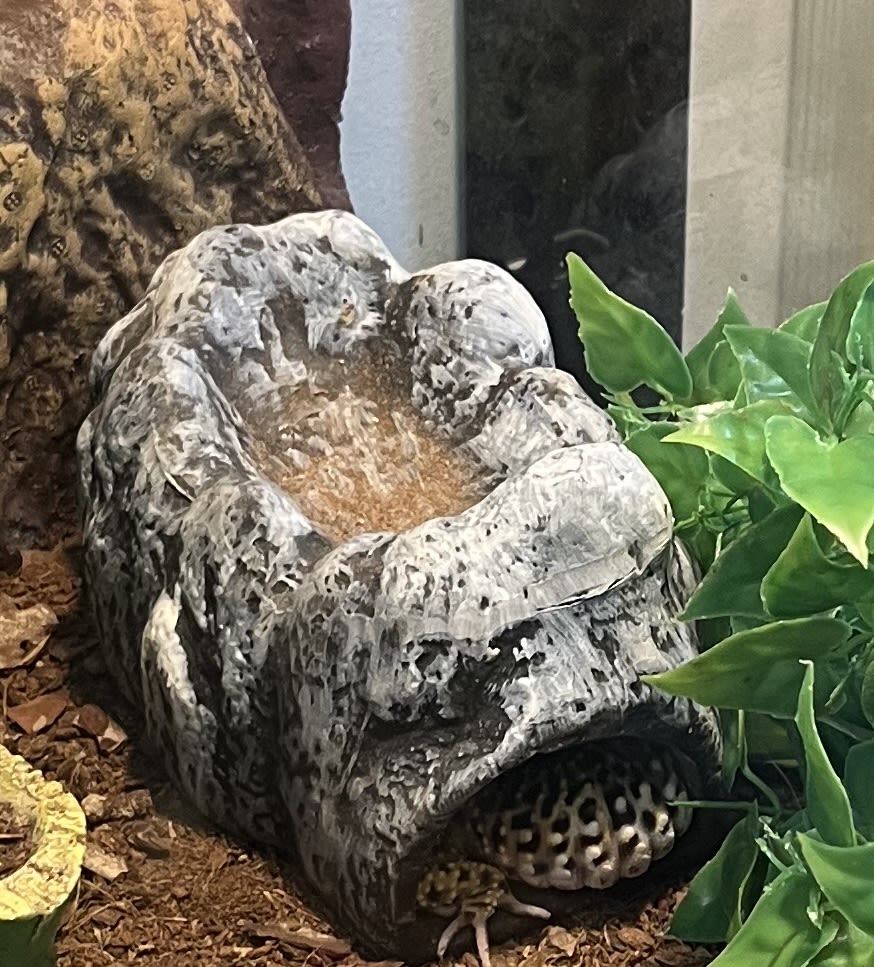
Leopard Gecko in humid hide
Leopard Gecko in humid hide


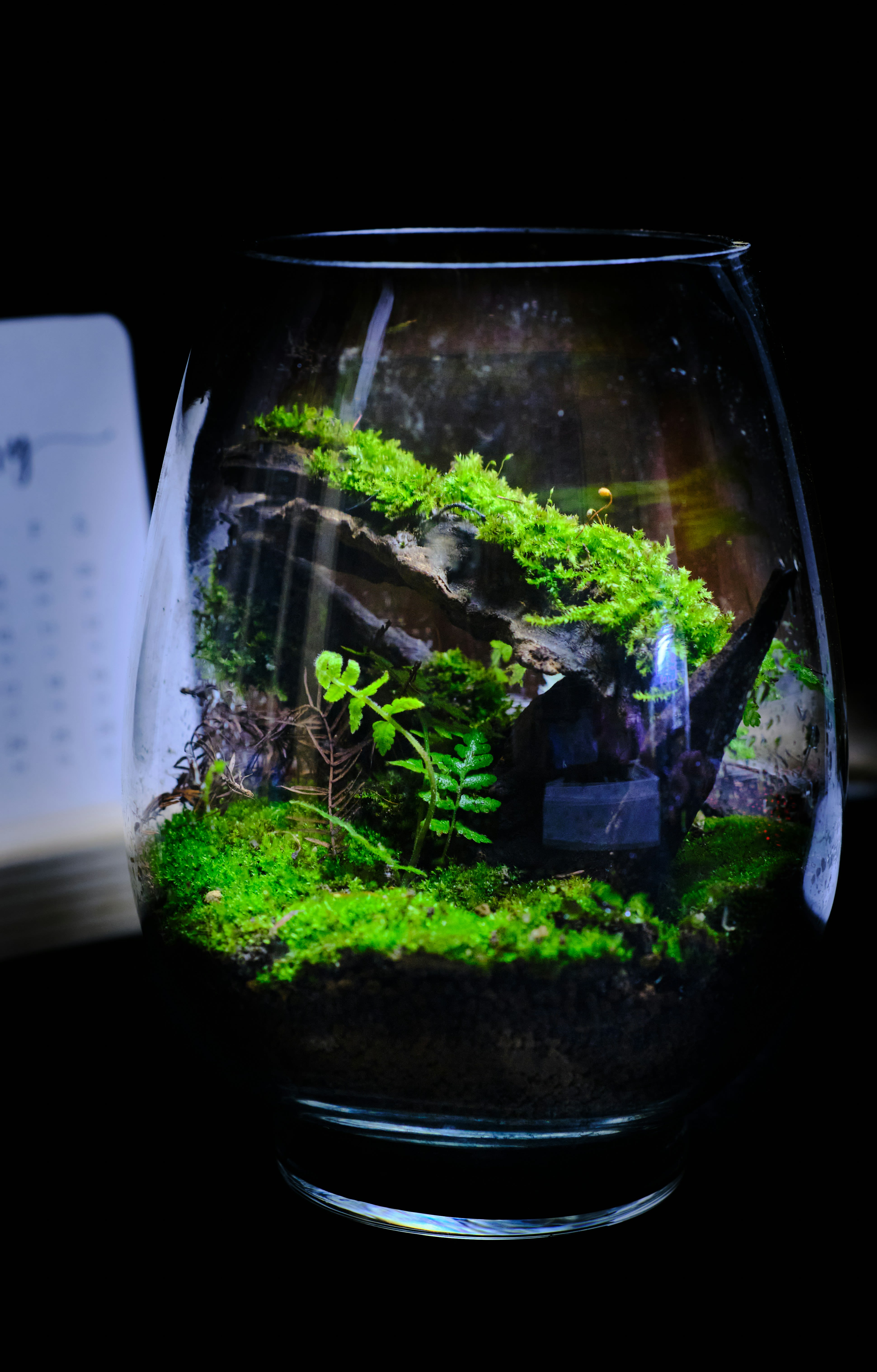


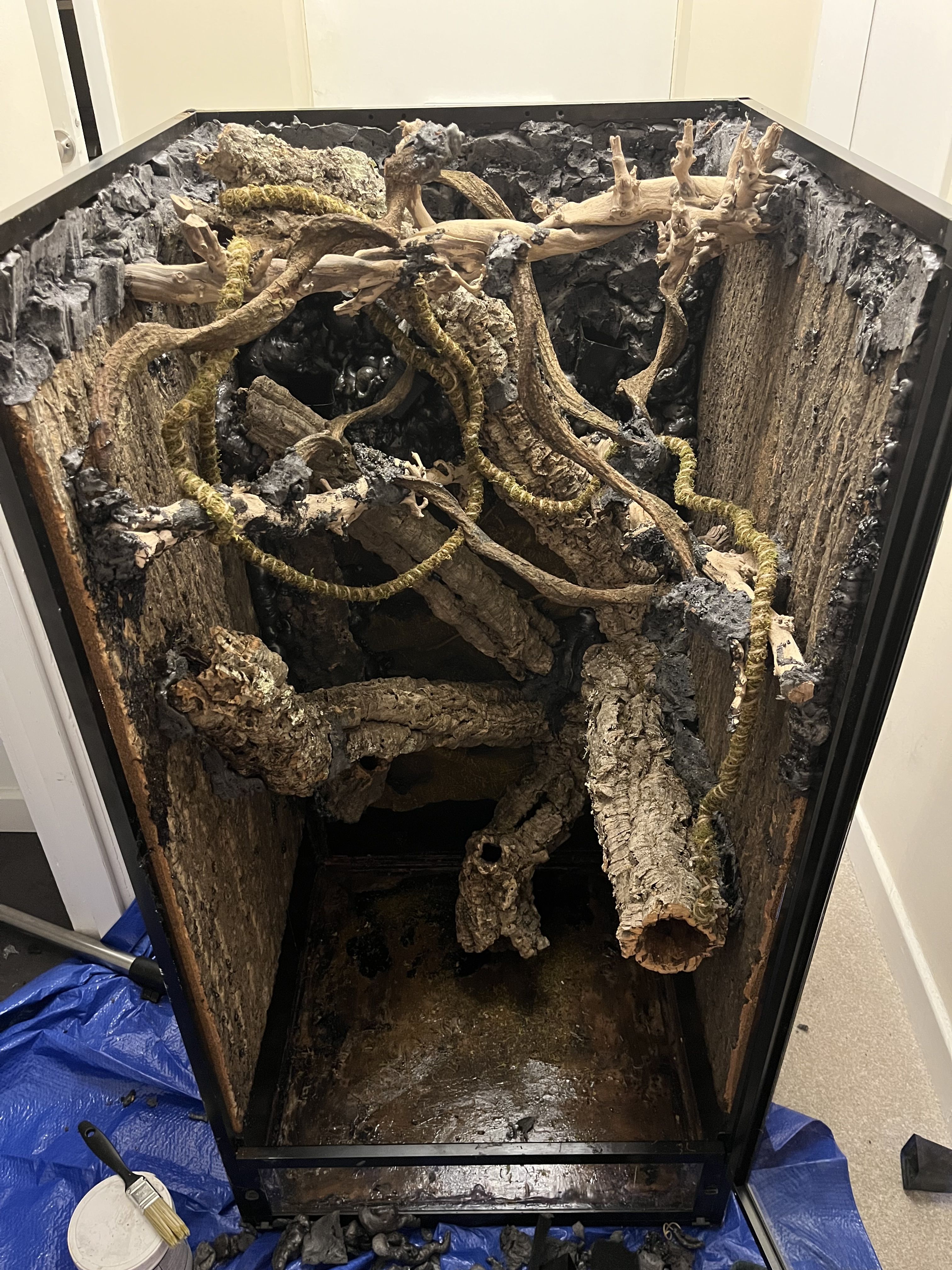
There is a new way to apply tropical mosses with relative ease. Blending each variety to a fine dust, apply water to make a yoghurt-type consistency and brush onto bark or substrate.
Add in clay powder and start moulding a vertical wall. Time spent doing this will require time-in-waiting, for it to flourish.
Light, moisture, aeration and heat are crucial for growth. Having all factors covered will make for a lush landscape.
Much high esteem should be given to this silent worker. So much so, that it can make an average looking bioactive vivarium into a stunning one.

HERPETILE
Subscribe now for updates of future issues and exclusive access to the world where herpetile husbandry, welfare and research thrives.
HERPETILE is a cutting-edge interactive platform for all things reptile and amphibian in the global sphere. Shedding new perspectives of love for these animals. Tame our initial apprehension for these misunderstood creatures and their prey. Provide good husbandry, they deserve. All backed up by croaking calls to the experts, to get their vital insight, our experience of animal care and our extensive research into each subject area.
Editor-in-Chief: Scott Lockhart
Contributing writers: Scott Lockhart
Art Director: Scott Lockhart
 Built with Shorthand